Rewards of Up to $500,000 Offered for FreeBSD, OpenBSD, NetBSD, Linux Zero-Days
Exploit broker Zerodium is offering rewards of up to $500,000 for zero-days in UNIX-based operating systems like OpenBSD, FreeBSD, NetBSD, but also for Linux distros such as Ubuntu, CentOS, Debian, and Tails.
Since Zerodium drew everyone's attention to the exploit brokerage market in 2015, the market has gotten more and more crowded, but also more sleazy, with some companies being accused of selling zero-days to government agencies in countries with oppressive or dictatorial regimes, where they are often used against political oponents, journalists, and dissidents, instead of going after real criminals.
Splitting water for fuel while removing CO₂ from the air

In electrolysis, a device powered by electricity is used to split H2O, producing hydrogen gas. Several chemical modifications to this process have been proposed that can also grab CO2 from the atmosphere. Like the idea of using biofuels, this represents a "win-win" by producing an energy resource while capturing CO2, bringing the cost down.
Obviously, this scheme has its drawbacks. Quarrying rock has its own localized environmental impact, as could pumping all that extra bicarbonate into the ocean. But the researches argue that the idea is worth studying much more closely. The more options for removing atmospheric CO2 we work up, the more likely it is that one catches on when serious incentives finally arrive.
German researchers defeat printers' doc-tracking dots
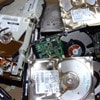
Beating the unique identifiers that printers can add to documents for security purposes is possible: you just need to add extra dots beyond those that security tools already add. The trick is knowing where to add them.
Anybody can take a scan of the document, and clear “empty” areas in an image editor, but the group's second technique is more sophisticated. After their algorithm identifies the pattern in use, it takes a mask of all possible dot locations in that pattern, and adds extra dots that conform to the layout, but render the code meaningless.
Firefox 61 arrives with better search, tab warming, and Accessibility Tools Inspector
The release builds on Firefox Quantum, which the company calls “by far the biggest update since Firefox 1.0 in 2004.”
Mozilla doesn’t break out the exact numbers for Firefox, though the company does say “half a billion people around the world” use the browser. In other words, it’s a major platform that web developers have to consider.
MoviePass is going to start charging more for popular movies next month

The movie-ticket subscription service, which charges $9.95 per month to see a movie a day in the US, will start surge pricing on popular movies next month, Business Insider reported.
The news comes as MoviePass’s parent company, Helios and Matheson Analystics, revealed in a filing on today, June 21, that it was spending cash quickly and may need more than $1.2 billion in additional capital to keep MoviePass, and its various ventures, afloat.
Firefox Is Back. It’s Time to Give It a Try.
The web has reached a new low. It has become an annoying, often toxic and occasionally unsafe place to hang out. More important, it has become an unfair trade: You give up your privacy online, and what you get in return are somewhat convenient services and hyper-targeted ads.
Most notably, Firefox now offers privacy tools, like a built-in feature for blocking ad trackers and a “container” that can be installed to prevent Facebook from monitoring your activities across the web. Most other browsers don’t include those features.
In addition to the normal Firefox browser, Mozilla offers Firefox Focus, a privacy-centric mobile browser that blocks trackers by default and purges your web browsing history as soon as you close out of a page.
Oracle's new Java SE subs: Code and support for $25/server/month
Big Red’s called this a Java SE Subscription and pitched it as “a commonly used model, popular with Linux distributions”.
Peter Jansen of Oracle licensing consultancy Navicle told The Register Oracle has made an exception for general purpose use of Java, but that the definition of such use means almost nobody other than code tinkerers will be able to get Java for free.
YouTube now lets you pay $4.99 per month to support your favorite creators

Most YouTube creators make a profit through ad revenue, but they'll now have Channel Memberships and Merchandise features to bolster their income—if they pass specific subscriber thresholds.
YouTube knows that many creators haven't been happy with the company's recent content policies changes (as well as the ever-confusing nature of YouTube's algorithms) because it has made it harder for creators large and small to make money from advertisements.
A YouTube representative told Ars in an email that creators will keep 70 percent of the profits from Channel Memberships and merchandise sales while YouTube will get the remaining 30 percent.
Facebook Groups may soon charge monthly subscription fees for access
Facebook will now let group administrators start charging $4.99 to $29.99 a month for exclusive membership in certain groups, the company announced today in a blog post.
Facebook says the new feature is so that group admins, who put a lot of time and dedication to growing their communities, can also earn money at the same time.
China Won’t Solve the World’s Plastics Problem Any More

In the 1990s, Chinese markets saw that discarded plastic could be profitably recreated into exportable bits and bobs—and it was less expensive for international cities to send their waste to China than to deal with it themselves.
The European Union was the top exporter, followed by North America and Japan.